Why do some people earn more while working less? It is not how hard they work. It is which side of a simple diagram they live on.
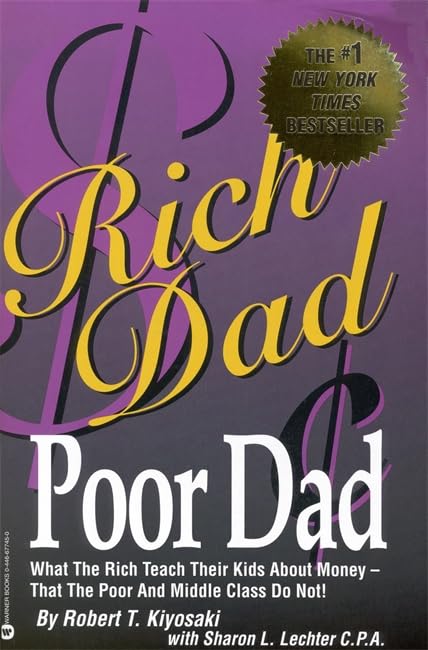
This is Rich Dad's Cashflow Quadrant, by Robert Kiyosaki, the follow-up to Rich Dad Poor Dad. The quadrant is a simple picture, but it explains why two people on the very same salary can end up in completely different financial lives.
The Cashflow Quadrant
The quadrant is a box split into four letters, and each letter is a different way to make money. On the top left is E, for employee, people who work for a system. Below it is S, the self-employed and the specialists, who are the system. On the right is B, the big business owner, who owns and runs a system, often with hundreds of people. And on the bottom right is I, the investor, whose money does the work. Where you earn your income quietly shapes almost everything about your financial future.
Two Sides, Two Futures
The line down the middle matters more than the letters themselves. The left side is E and S, active income. You trade your time, and the moment you stop working, the money stops too. You also pay the most in tax, because it is taken before you ever see it. The right side is B and I, passive and portfolio income. Here a system or your money keeps paying you, whether you get out of bed or not, and the tax rules are written to reward you. Kiyosaki's entire message is a move from the left side to the right side.
Security vs Independence
Each quadrant attracts a different kind of person, and the words they say give them away. The E at heart craves security above all, and asks for a steady job with good benefits. The S values independence, wants things done their own way, and often believes that if you want it done right, you must do it yourself. S people are the experts, the doctors, the designers, the consultants, skilled and hardworking, but trapped because the business still depends on them being there.
Systems and Money Work
The right side asks for a different mindset. The B does not need to be the smartest person in the room. Instead, they build a system and lead people, and are happy to hire others who know more than they do. A true B can walk away for a year and find the business still running and earning. The I takes it one step further, letting money become the employee that never sleeps. The goal is not a bigger salary. It is income that arrives without your daily effort.
Three Ways to Become a B
If you want to become a B, Kiyosaki says there are three ways to own a business system. You can build a traditional company from scratch, which offers the most freedom but the highest risk, and most do not survive. You can buy a franchise, which hands you a proven, ready-made system and teaches you how to run it. Or you can join a network marketing business, which gives you a low-cost way to learn the skills of the right side. Kiyosaki argues the education and the system often matter more than the product you start with.
The Levels of Investors
When it comes to investing, Kiyosaki sorts people into levels. At the bottom are those with nothing to invest, and the borrowers who spend everything they make. Above them are the savers, who park money safely but earn little. Then come the smart but uncommitted, the cynical skeptics, the gamblers chasing tips, and the too-busy who hand it all to someone else. Higher up are the long-term investors who make a plan and stick to it, then the sophisticated, and at the very top the capitalists, who build businesses and use both people and money to create even more money.
You Cannot See Money With Your Eyes
Here is the part most people miss. You cannot see money with your eyes, Kiyosaki says. You see it with your mind. Two people can look at the exact same paycheck and make opposite choices. One sees only the bills and the car payment, and spends it all. The other sees an asset that could pay them forever. The difference is not eyesight, it is financial literacy, understanding cash flow, debt, and tax. Once you can read the numbers, opportunities that look risky to everyone else become obvious to you.
What the Rich Do Differently
So what does the rich person actually do differently? They mind their own business. While the poor and middle class pile up salaries, bills, and bigger mortgages, the rich convert their income into assets, things that put money in their pocket every month, rental property, dividends, businesses. Those assets then generate more income, which buys more assets, and the loop spins faster. The poor work for money. The rich make money work for them, and the moment their passive income covers their expenses, they are financially free.
Seven Steps to Freedom
Kiyosaki lays out a path in seven steps, and he insists you take them as small, steady baby steps rather than one reckless leap. Start by minding your own business. Take control of your cash flow. Learn the real difference between risk and risky. Decide which kind of investor you will become. Seek out mentors who already walk the path. Learn to turn disappointment into strength, because setbacks are guaranteed. And hold onto faith in yourself, especially when no one else believes. There is no shortcut, but the steps are open to anyone willing to take them.
It Is About Who You Become
More than a money plan, Kiyosaki calls this a process of becoming who you really are. Moving across the quadrant means changing what you value, from security to freedom, from doing everything yourself to trusting a system. It is uncomfortable, and you will want to quit. That is why he says to go slowly, to learn rather than just earn, and to forgive your early mistakes. The people who make it are not the ones who never feel fear. They are the ones who take the next small step while afraid.