What turns a handful of criminals into a city-wide crime wave? One man sitting in a car, not even holding a gun.
This is Revenge of the Tipping Point by Malcolm Gladwell, published in 2024. Twenty years after The Tipping Point, Gladwell returns to how ideas, fads, and behaviors spread like contagions. Back then he said the world can be tipped with a small push. Now he asks a harder question: who is doing the pushing, and who pays the price?
A Crime Comes Roaring Back

The book opens in Los Angeles. Bank robberies were dying out in the nineteen sixties. Then, suddenly, they exploded. By the nineteen nineties, Los Angeles was the bank robbery capital of the world. At the peak, a robbery every forty-five minutes on a banking day.
The trigger was a single big score. When Wells Fargo publicly announced a gang had stolen four hundred thirty-seven thousand dollars, robbers did the math. In two minutes, you could take what the streets took weeks to earn. No one could explain why a crime that seemed obsolete came roaring back.
One Man in a Car
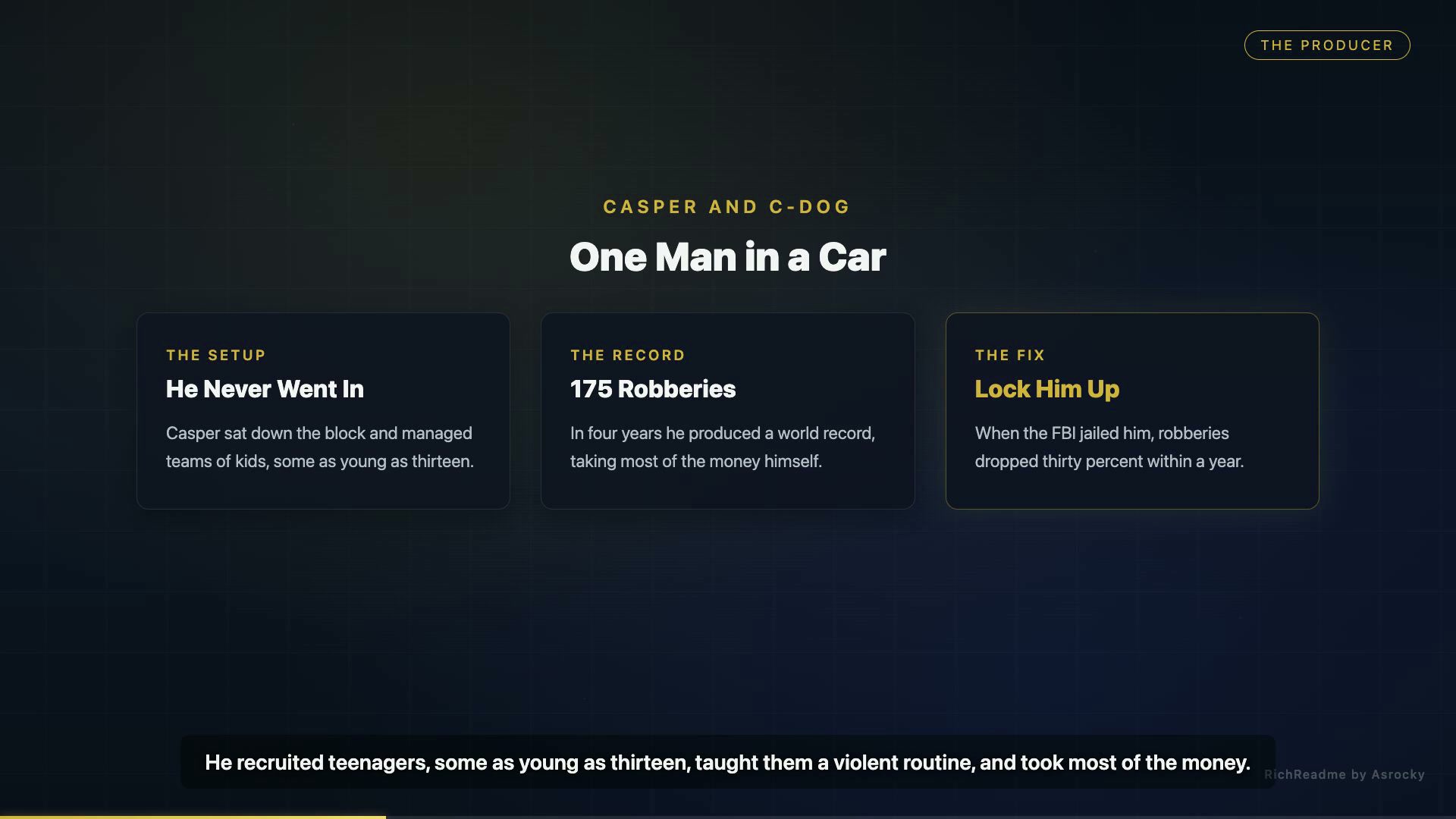
The answer was not a gang. It was one man, Casper, who never robbed a bank himself. He sat in a car down the block and managed teams of kids. He recruited teenagers, some as young as thirteen, taught them a violent routine, and took most of the money.
In four years he produced a hundred and seventy-five robberies, a world record. When the FBI finally locked him up, the city's crime wave dropped thirty percent within a year. Remove the single producer, and the epidemic broke.
Epidemics Are Organized
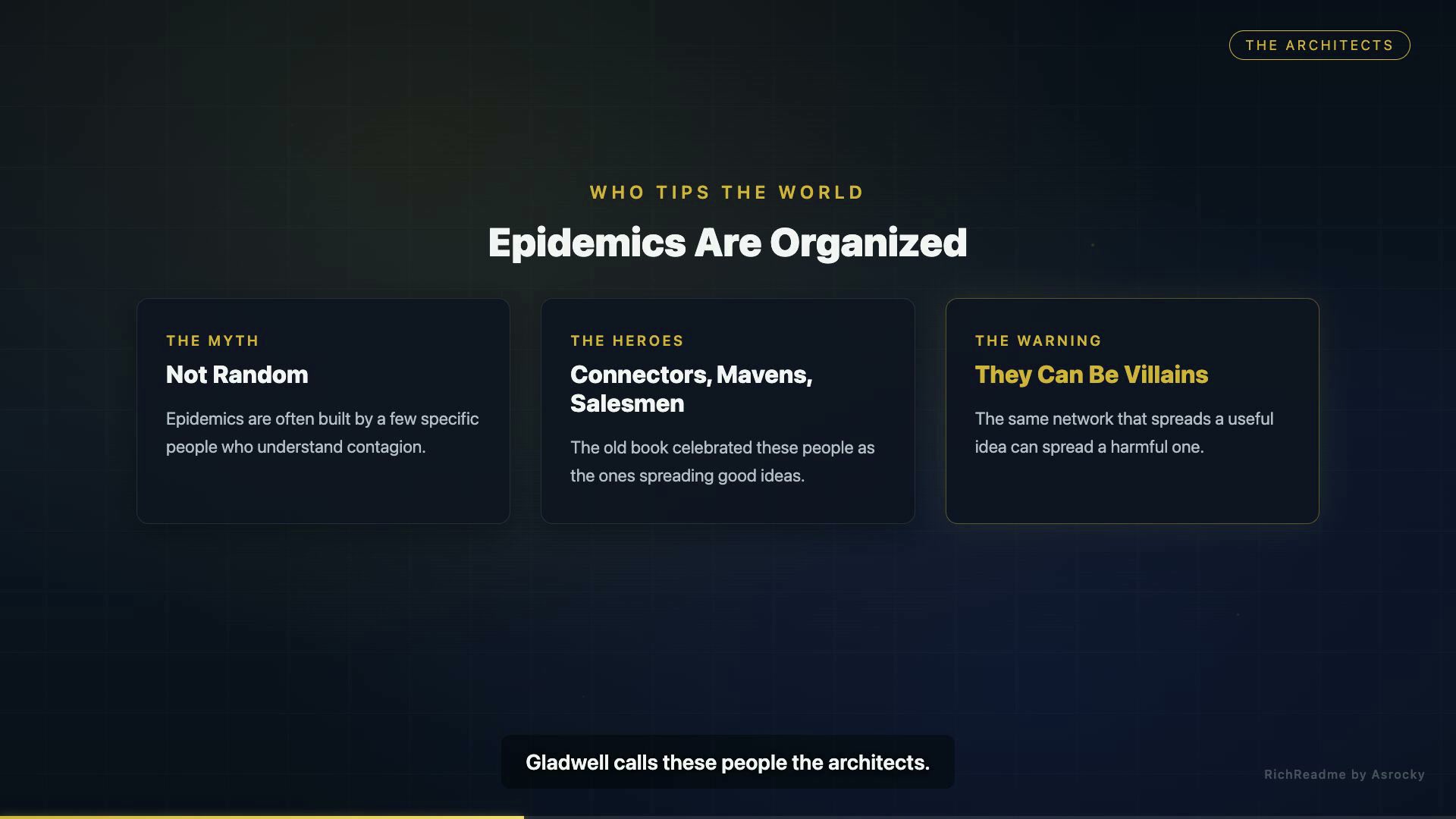
That is the first lesson. Epidemics are not random. They are often organized by a few specific people who understand how contagion works. Gladwell calls these people the architects.
In the original book he celebrated connectors, mavens, and salesmen as heroes. Here he warns they can just as easily be villains. The same network that spreads a useful idea can spread a harmful one.
How Contagion Works
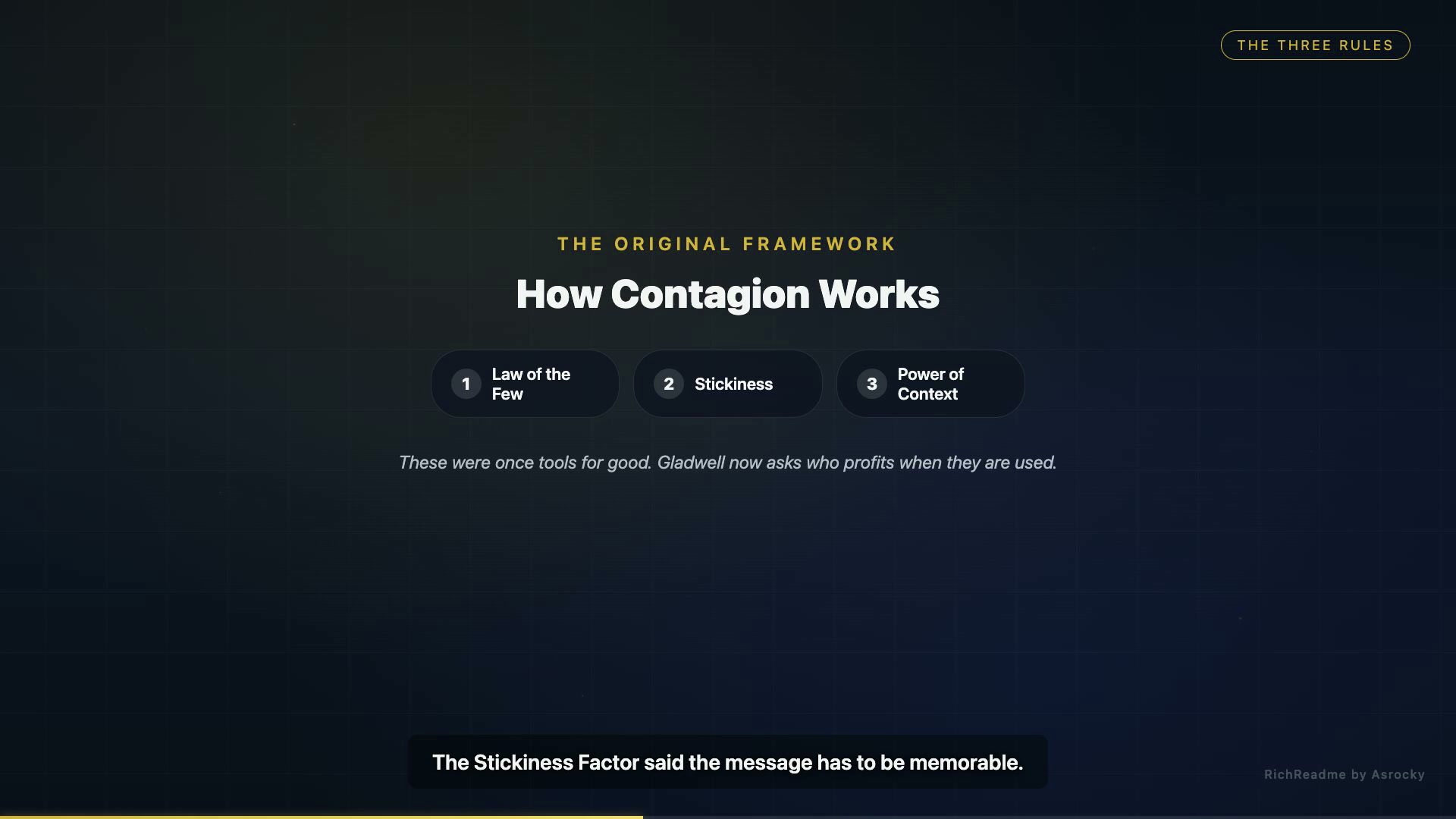
The original tipping point rested on three rules. The Law of the Few said a handful of well-connected people drive the spread. The Stickiness Factor said the message has to be memorable.
The Power of Context said small environmental changes tip behavior. In the old book, these were tools for good. Gladwell now turns the same lens around and asks who profits when they are used.
Messages You Do Not Notice
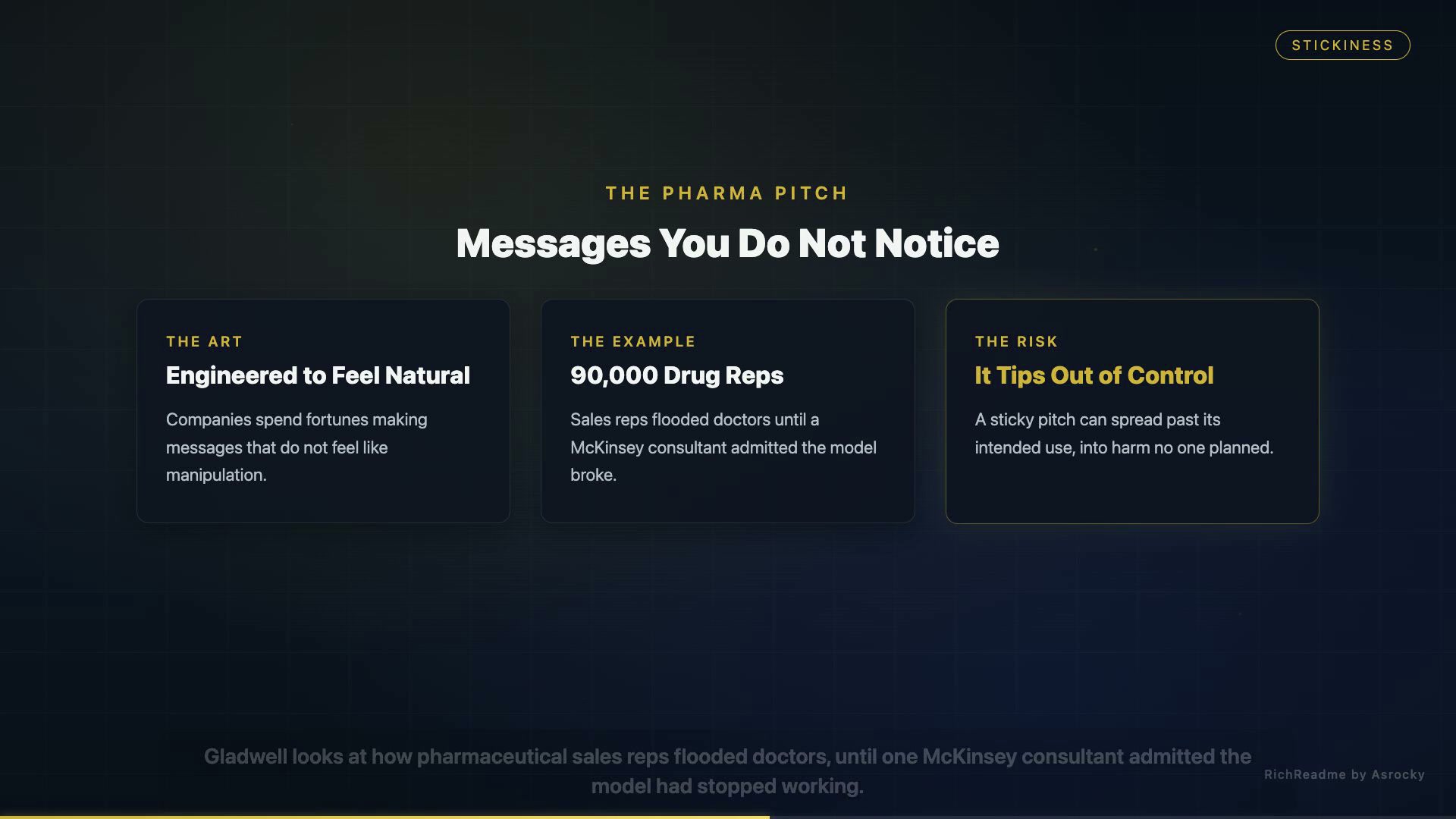
The second case is stickiness. An epidemic catches on when the message sticks in people's minds. Companies spend fortunes engineering messages that feel natural, that you do not notice as manipulation.
Gladwell looks at how pharmaceutical sales reps flooded doctors, until one McKinsey consultant admitted the model had stopped working. There were nearly ninety thousand reps, and the pitch was sticky, but it had tipped into something the industry could not control.
The 15% Threshold
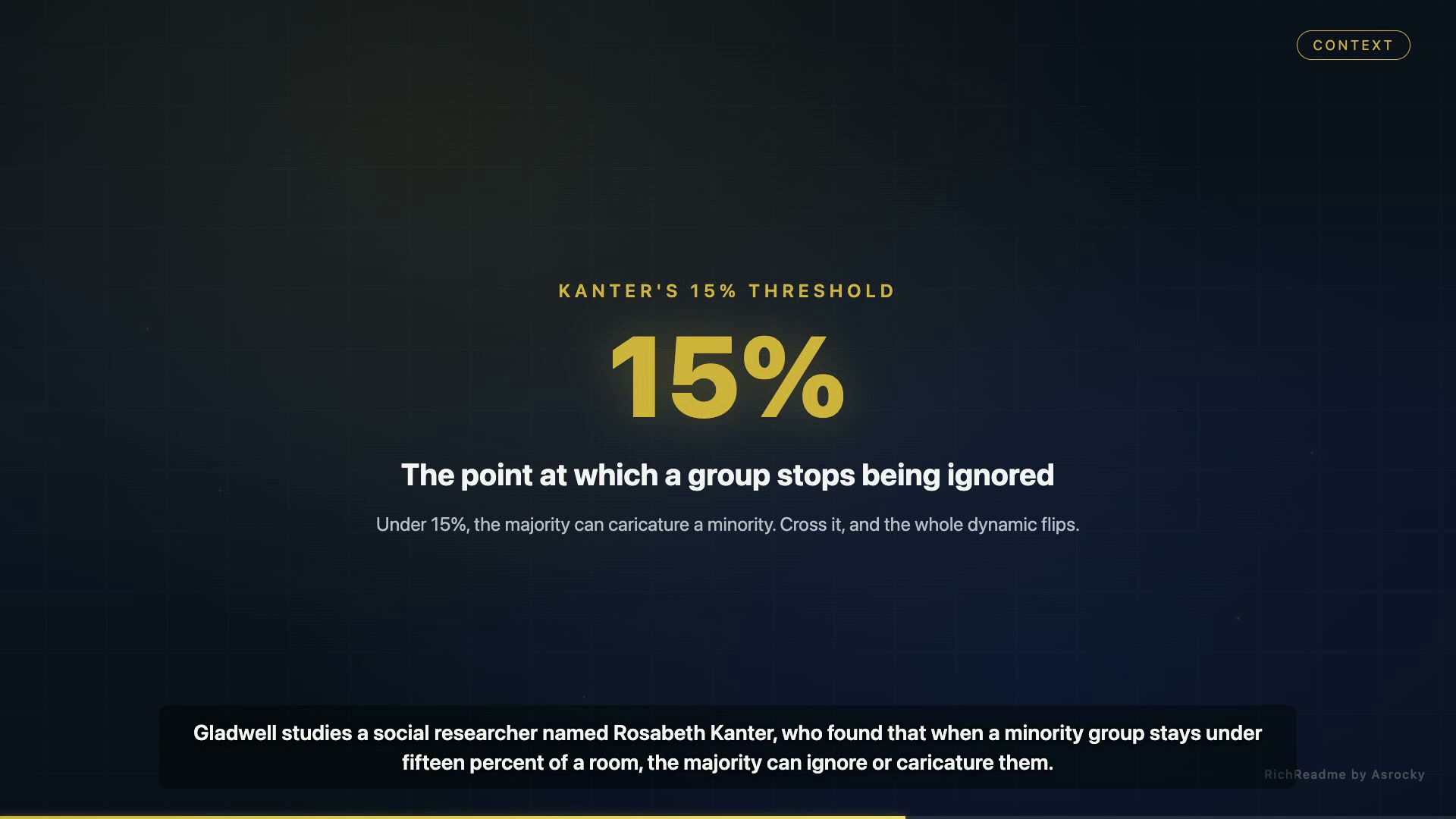
The third lesson is context. Small changes in the environment have outsized effects. But context can be manipulated too.
Gladwell studies a social researcher named Rosabeth Kanter, who found that when a minority group stays under fifteen percent of a room, the majority can ignore or caricature them. Once they cross that threshold, the whole dynamic flips. Numbers that small quietly decide who gets heard.
The Hearing
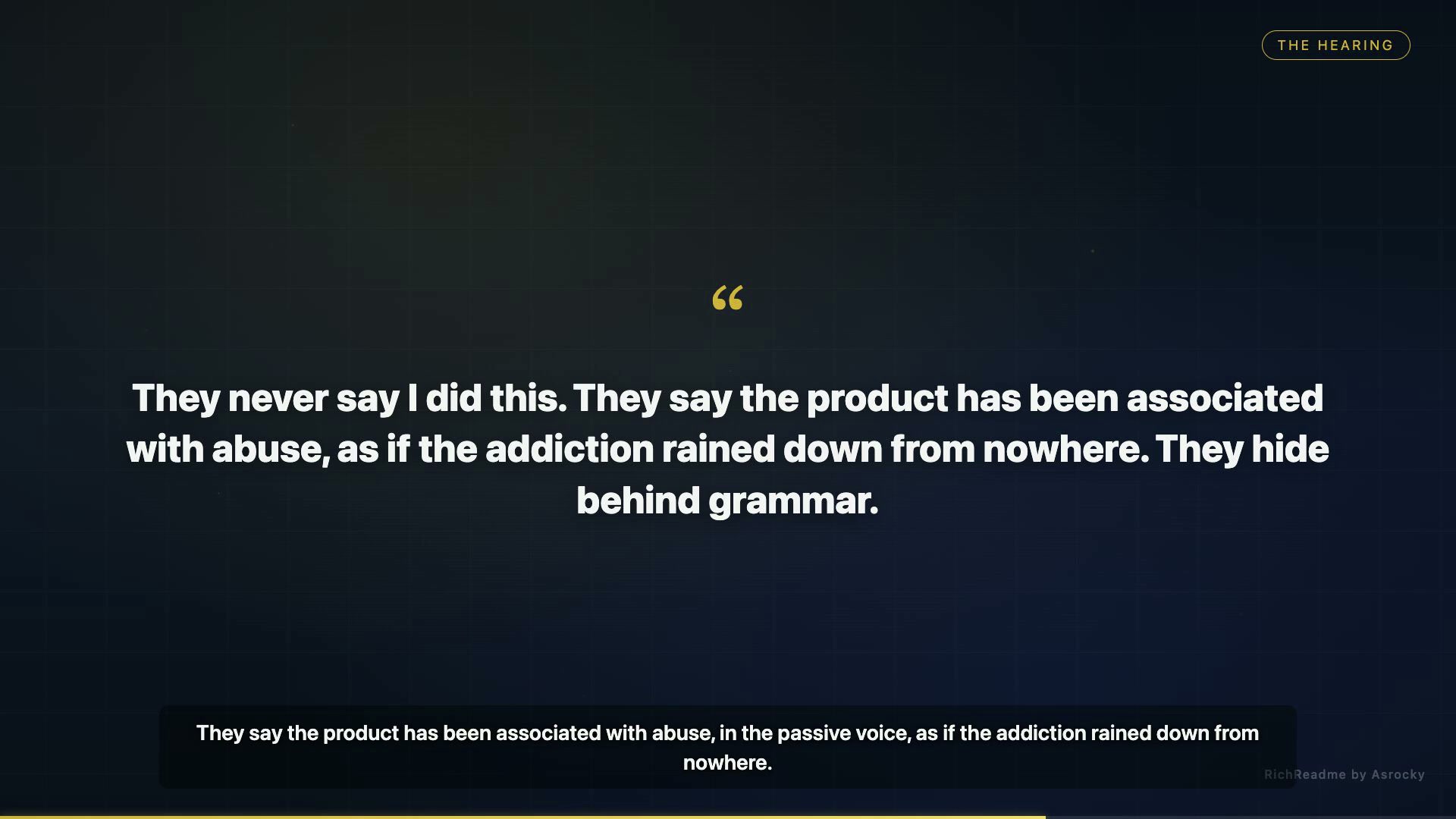
The book's frame story is a Congressional hearing. A family that built a fortune selling a highly addictive opioid is asked to apologize. They will not. Over hours of testimony, they never say I did this.
They say the product has been associated with abuse, in the passive voice, as if the addiction rained down from nowhere. No executive goes to jail. Gladwell's point is that the people who tip the biggest epidemics are often the ones least willing to admit they started them. They hide behind grammar.
The Revenge
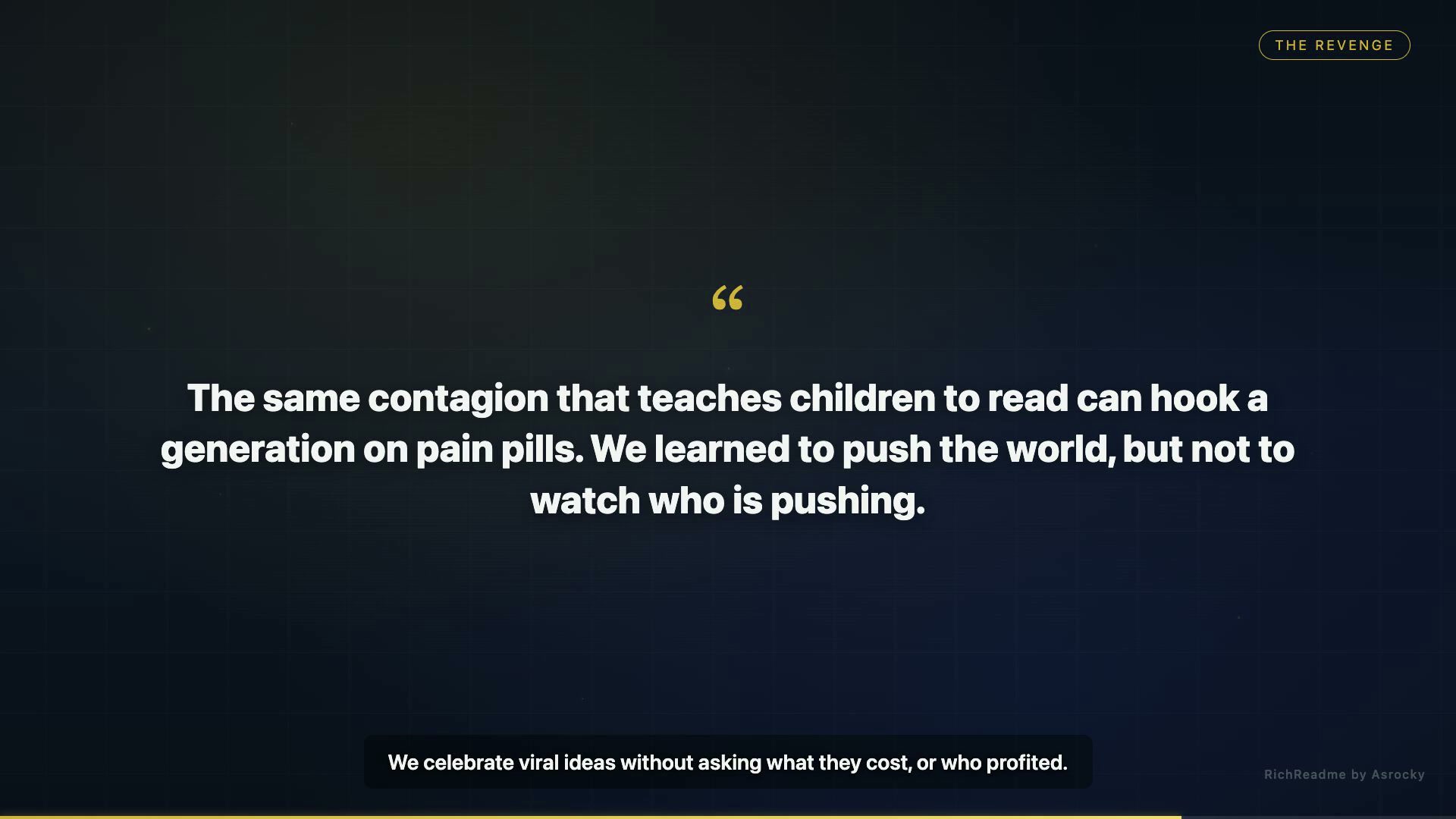
This is the revenge of the tipping point. We learned how to push the world. We did not learn how to watch who is pushing.
We celebrate viral ideas without asking what they cost, or who profited. The same contagion that teaches children to read can hook a generation on pain pills. And the more we admire speed, the easier we make it for someone to nudge us before we notice.
Ask the Hidden Questions

The practical takeaway is simple. When you see something suddenly become popular, do not just ask why the idea is good. Ask who benefits, who organized the spread, and whether the cost is being paid by someone quiet. Ask whether the message is sticky because it is true, or because someone paid to make it stick.
Epidemics have architects. Once you start looking for them, you see them everywhere, in the ads you trust, the trends you follow, and the outrage you feel. The world is not tipping on its own. Someone is pushing it.