Howard Marks
Political Reality Meets Economic Reality
=== PAGE 49 ===
easy money has been made, and the improvement in these parameters is bound to
subside. Anyone who thinks equity returns over the next fifteen years will look anything
like the last fifteen is certainly bucking the odds.
It is still important to look for what's relatively cheap. For example, the fact that big stocks
have recently been beating small stocks by the widest margins in history means small
stocks are likely to have their day in relative terms. This was shown in August, when the
Dow was down 7% and small stocks rose.
The possibility of a market decline certainly exists, and while "everyone" says a 5%, 10%
or 15% dip would just be a buying opportunity, we wonder how investors would feel about
a rerun of the 1973-74 experience, in which stocks declined an average of 2% a month for
24 months. At 8,200, we heard people say a 25% decline would only take the market back
to the level of a year earlier -- implying that it wouldn't hurt. We doubt many investors
who've never seen even a 10% "correction" would come through such a period with their
equanimity unscathed.
What could cause a market decline? A drop in investor confidence -- perhaps the commodity that's
most freely available today -- would likely be the key, but the reason is hard to foresee. "We're
not expecting any surprises," people say, and that has become our new favorite oxymoron.
Surprises are never expected -- by definition -- and yet they're what move the market. (If they were
expected, their effects would already be priced into the market, rendering a price reaction
unnecessary.) The next surprise might be geo-political (oil embargo, war in Korea), economic
(tight money, slowing profit growth) or internal to the market (competition from bonds at higher
interest rates, discovery of a fraud), but it's most likely to be something that no one has anticipated -
- including us.
What does all of this tell us? That we must return yet again to what may be the greatest Warren
Buffet quote: The less prudence with which others conduct their affairs, the greater the
prudence with which we should conduct our own affairs . Prudence is in short supply today,
along with skepticism and disbelief. Thus we must be disciplined and selective in our investing
today, and postpone our greatest enthusiasm for the bargains which are likely to be found in the
months and years ahead.
Here at Oaktree, we continue to recommend that clients think about downside as well as
upside and adopt protective strategies:
In convertibles , we continue to emphasize securities that are likely to fall much less than
their underlying stocks and that are convertible into stocks that haven't soared, and we
continue to take profits aggressively as prices increase (aren't we supposed to like things
less, not more, as their prices rise?)
Our high yield bond portfolios continue to hold only the obligations of creditworthy U.S.
and Canadian companies and emphasize cash-paying securities. Our bonds may have
limited potential for price appreciation, but we think they're overwhelmingly likely to pay
interest and principal as promised.
1997 Oaktree Capital Management, L.P.
4
All Rights Reserved
=== PAGE 50 ===
In distressed debt, real estate and control equity, we continue to buy things that are
found outside the mainstream sources of supply, that are as depressed in price as can be
found in this environment, and that protect against losses through a call on strong asset
values.
We have been privileged to read a recent letter from Julian Robertson to his investors. In it,
Robertson compares today's fund managers to the Phoenician sea captains of thousands of years
ago who were paid a percentage of the value of the goods they transported and thus were
incentivized to design boats which emphasized speed over safety. This worked as long as the
weather was good, but the storms that eventually came consigned the less safe ships to the
bottom of the sea. He goes on as follows:
The last several years have been a great period for the audacious captains with their
fleets of fair-weather ships. There has not been a storm for years; perhaps climatic
conditions have changed and there will never be another storm. In this scenario the
audacious crew with its fleet of swift but flimsy ships is the cargo carrier of choice.
[Robertson's ship] will continue to be run as it has in the past; conservatively, making
sure its crew and merchandise are safe.
This metaphor suits Oaktree exactly; we couldn't say it better. Being prepared for stormy
weather, even if it could cost us some of the easy money in good times, is certainly the course
for us.
September 3, 1997
1997 Oaktree Capital Management, L.P.
5
All Rights Reserved
=== PAGE 51 ===
Recommended Reading
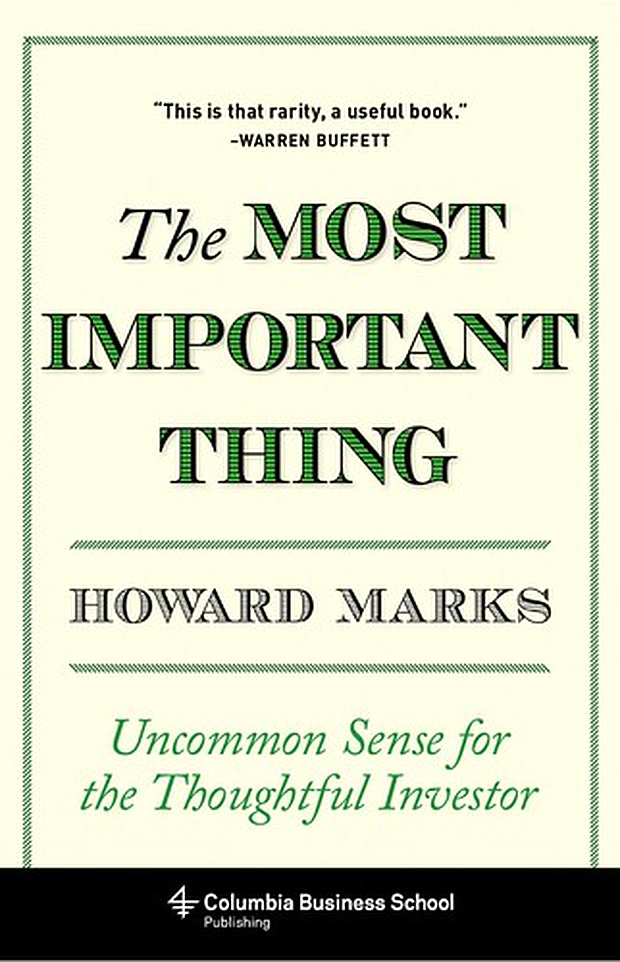
The Most Important Thing
Get on Amazon →
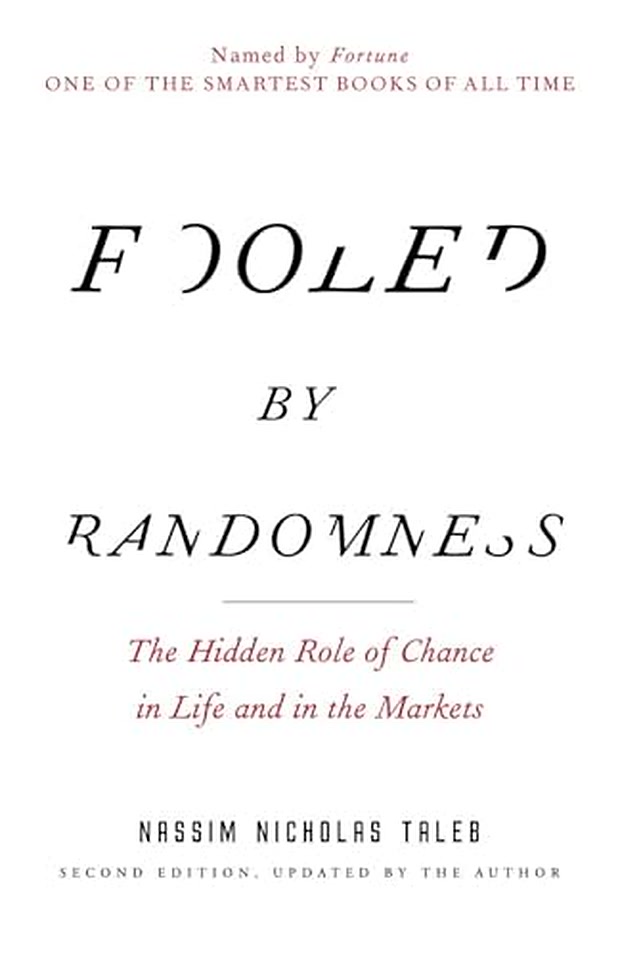
Fooled by Randomness
Get on Amazon →
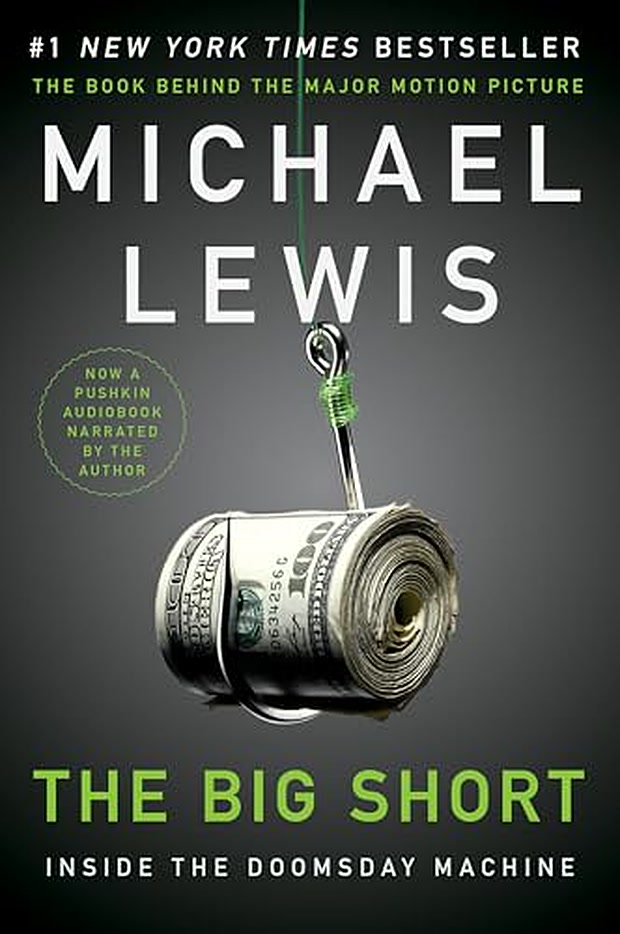
The Big Short
Get on Amazon →
As an Amazon Associate I earn from qualifying purchases.