Howard Marks
1995 05 26 How The Game Should Be Played
© Oaktree Capital Management, L.P.
All Rights ReservedMemo to: Oaktree Clients and Friends
From: Howard Marks
Re: How the Game Should Be Played
One of the questions asked most often in c onnection with our leaving to form Oaktree -
- perhaps second only to "where'd the name come from?" -- is “why did you do it?"
The answer is that we conc luded we had an opportunity to create our own investment
management firm, all of which would r un our way, according to our philosophies,
beliefs and standards.
But what do we mean when we say "our way?"
Well, an article about sports in the April 2 New York Ti mes Sunday Magazine provided
an excellent metaphor through which to illustra te the point. In it, the author wrote of
Babe Ruth that he represented
. . . The Credo of the Home Run: A man can never be faulted, even if he's
wrong, for the bold, aggressive action in pursuit of victory; a real man
must be willing to strike out, to go down swinging.
I believe this is the way much of the investment world thinks, but it's Uthe opposite of what
we believe in. U In fact, I wrote a memo in 1990 to take issue with a money manager who
justified his poor recent performance by saying "If you want to be in the top 5% of money
managers, you have to be willing to be in the bottom 5%, too."
"Our way" is Unever U to tolerate poor performance, a nd certainly not to consider it an
acceptable side-effect of swinging for the fences . While we strive to be somewhat above
average each year, our philosophy mandates that we put the greatest emphasis on trying to
avoid losing our clients' money.
And that brings me to what I feel is a much more appeal ing sports metaphor, which I
clipped from the Wall Street Journal in 1992 bu t never had occasion to cite until now: the
story of golfer Tom Kite. The article was about Kite's having won a major tournament, but the part that interested me dealt w ith his record up to that time:
The bespectacled 42-year-old had won ... over the past 20 seasons some $7.2 million in official prize money, more than any other golfer -- ever. But [he had never before won] one of the sport's "majors" (the U.S. and British Opens, Masters and PGA Championship).
© Oaktree Capital Management, L.P.
All Rights ReservedThat's the way we think it should be done: by consistently finishi ng in the money, but
with no need for headline-grabbing victories. What we think matters isn't whether
you hit a home run or win the Masters on any given day, but rather what your long-
term batting average is.
Many money managers, it appears, believe either (a) that they really can predict what's
in store for the markets and which issues will do best, or (b) that their clients expect
them to be able to, and to act as if they can. Thus they swing for the fences each year
with a portfolio which will earn big rewards if their forecasts are right ... and vice versa.
The record suggests very few managers trul y know what the future will bring, and yet
many keep trying to make money through stock picking and market timing in even the most efficient markets. When their holdings appreciate, they recount their insights and
take credit, never admitting when they've been right for unfores een reasons. When
they're wrong, they complain about the circumstances that conspired against them and explain that they were fundament ally right but just off in terms of timing or betrayed by
chance. Then they go on espousing ne w predictions without ever publishing a
scorecard from which to judge th eir record as forecasters.
Our response on this subject is simple:
(1) We accept that we're among the many who do not know what the big-picture future
holds.
(2) It is for this reason that we choos e to work in inefficient markets where
specialization, skill and hard work can add value and lead to above-average
performance over time.
(3) Lastly, we feel that because we're not cl airvoyant, it's important to acknowledge our
limitations and
Uput the highest priority on avoiding losses, U not executing bold
strategies.
I was raised on an adage which had good thi ngs to say for "he who knows and knows he
knows" but warned about the danger of following "he who knows not but knows not he
knows not.” Or, as expressed in my favorite quotation, from Stanford behaviorist Amos
Tversky,
. . . It's frightening to think th at you might not know something, but
more frightening to think that, by an d large, the world is run by people
who have faith that they know exactly what's going on.
We never forget how risky it is to join that group. Thus our "game plan" is directed at avoiding strikeouts and build ing a high batting average ov er time, not at hitting a
home run each trip to the plate.
May 26, 1995
© Oaktree Capital Management, L.P.
All Rights ReservedLegal Information and Disclosures
This memorandum expresses the views of the author as of the date indicated and such views are
subject to change without notice. Oaktree has no duty or obligation to update the information contained herein. Further, Oaktree makes no rep resentation, and it should not be assumed, that
past investment performance is an indication of future results. Moreover, wherever there is the
potential for profit there is also the possibility of loss. This memorandum is being made available for educational purposes only and should not be used
for any other purpose. The information contai ned herein does not constitute and should not be
construed as an offering of advisory services or an offer to sell or solicitation to buy any
securities or related financial instruments in any jurisdiction. Certain information contained herein concerning economic trends and performan ce is based on or derived from information
provided by independent third- party sources. Oaktree Capita l Management, L.P. (“Oaktree”)
believes that the sources from which such informa tion has been obtained are reliable; however, it
cannot guarantee the accuracy of such inform ation and has not independently verified the
accuracy or completeness of such information or the assumptions on which such information is
based. This memorandum, including the information cont ained herein, may not be copied, reproduced,
republished, or posted in whole or in part, in any form without the prior written consent of
Oaktree.
Recommended Reading
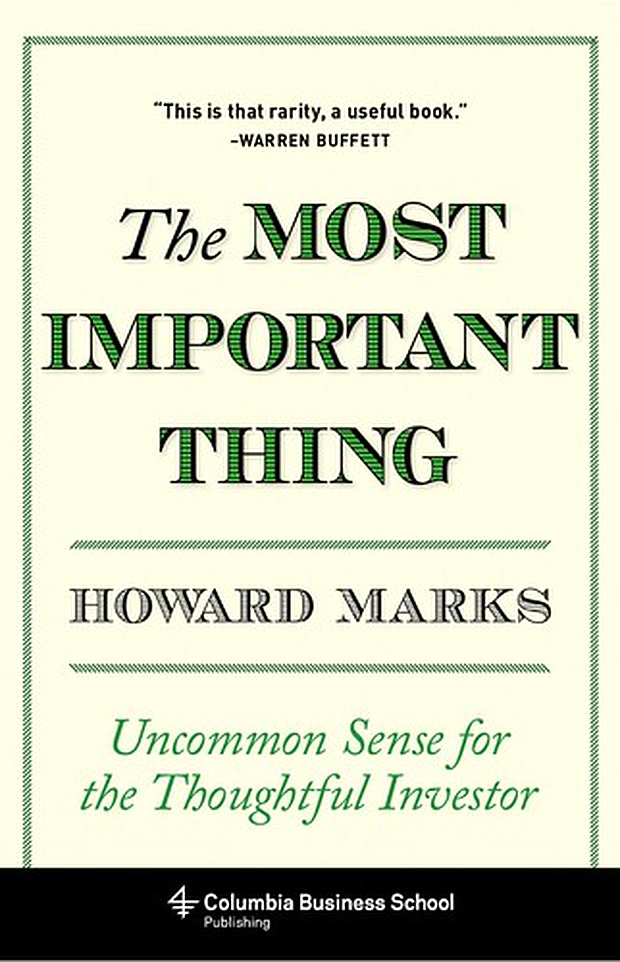
The Most Important Thing
Get on Amazon →
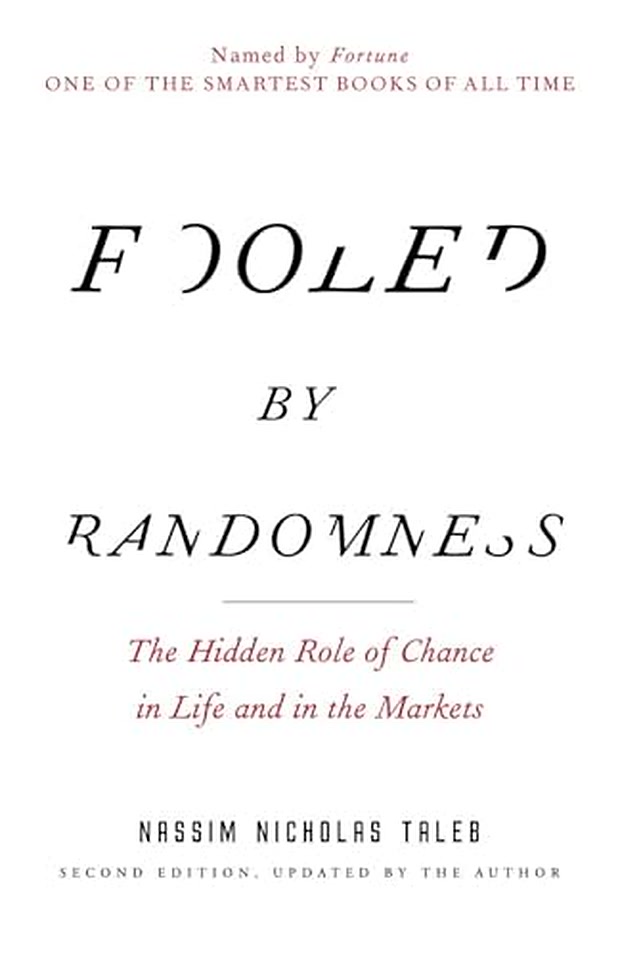
Fooled by Randomness
Get on Amazon →
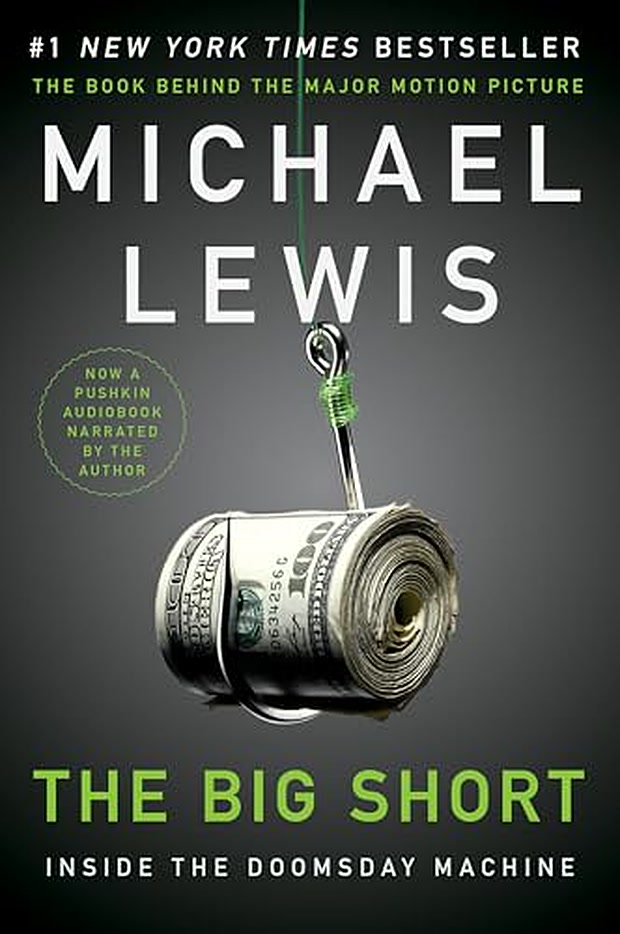
The Big Short
Get on Amazon →
As an Amazon Associate I earn from qualifying purchases.