Howard Marks
1994 07 15 How Does An Inefficient Market Get That Way
© Oaktree Capital Management, L.P.
All Rights ReservedTo: Clients
From: Howard Marks Date: July 15, 1994 Subject: "How Does an Ineffi cient Market Get That Way?"
In an efficient market , the actions of intelligent, in formed, diligent and objective
investors cause assets to be priced fairly based on the available information such that their prospective returns are in proportion to th eir risk. No bargains are available, and the
only way to increase expected re turn is to take on more risk.
But in an inefficient market, this process breaks down. The prerequisites for efficiency
are not fully satisfied, and thus prices are ab le to diverge from what they "should" be.
Some assets become overpriced and others underpriced. Profits can be earned by
applying skill, not just for bearing risk. It becomes possi ble to consistently achieve
superior risk-adjusted returns. But how does a market get that way? Th ere are many possible reasons. Maybe most
investors ignore the market niche because it is little known. Perhaps information is
skimpy or unevenly disseminated. Market infrastructure may be under-developed, so
trading difficulties scare investors away. Maybe there's no trade reporting, so Seller A doesn't know what B got just a few minutes earlier and settles for less. The list of
possible reasons goes on and on, but we have our own favorite: Investors fail to act
objectively and dispassionately. An efficient market must be unbiased. That is , the participants must be motivated just by
economics and willing to either buy or sell depending on price. If every owner wants to (or must) sell a given good and won't beco me a buyer no matter how low the price goes,
the price of that good can fall below the "fair" level and it will be come possible to find
bargains. Conversely, prices can go too high when everyone wants to own something . . .
whether it's tulip bulbs, South S ea pearls or nifty-fifty stocks.
And that brings us to the high yield b ond market which remains, in our opinion,
decidedly inefficient. High yield bonds contin ue to offer 350-400 basis points more yield
than "riskless" Treasury bonds to compensate for the risk of losing 50-150 basis points
per year to credit problems. And high yield bonds have the best performance record of
any major sector of the fixed income unive rse for virtually ever y period through today.
One would certainly expect these fact s to attract buyers and raise prices.
In 1984, I was sure this market would become ef ficient in five years. But it hasn't done
so ten years later, despite the high historic and prospective returns. Why haven't enough
buyers stepped forward to eliminate the ex cessive risk premium, render these bonds
fairly priced and correct the inefficiency?
© Oaktree Capital Management, L.P.
All Rights Reserved
The answer, we feel, is simple: investors continue to be unfairly prejudiced against
them . Not every investor, clearly, but enough big players to create a buyers' market and
tilt the opportunity in favor of thos e who are willing to participate.
Prove it, you say? Well, this memo was occasioned by an article in "Pensions & Investments" reporting consultant SEI's r ecommendation that pension plan sponsors
invest 10% to 30% of their fixed income portfolios in high yield bonds. As I went
through the article, my reaction was that it was a great selling piece for our market sector -- not just SEI's recommendation, but what the article demonstrated about investor
attitudes. According to the article, SEI feels "a sponsor could add about 20 basis points of return without adding risk by putting 10% of its fixe d income portfolio in high yield, or junk,
bonds." And that's after SEI "tried to be as conservative as possible in its assumptions."
I'm sold! But the article goes on to show how a market can be biased against an asset
class:
. . . High yield is perceived as a wa y to add diversification, but is not well-
received by clients. "Not a lot of our clients are opting to use them . . . .
We work with some clients who ju st plain don't want them in their
portfolio." (Callan)
Because of the negative publicity surrounding high yield bonds around the turn of the decade, plan sponsors either are wary of investing in them, or are afraid of
being associated with them. (Pensions & Investments)
Some plan sponsors may be limited by plan guidelines to investment-grade securities, . . . Other sponsors may be wary of junk bonds because of the market's
well-publicized collapse in 1989 and 1990, and the securities' association with Michael Milken and the now-defunct bond house Drexel Burnham Lambert.
(SEI)
If we're going to worry about a collapse, I hope it'll be one looming ahead, not one which occurred five years ago. The asset class that collapsed in the past is likely to be cheap,
not to be riding a crest of popularity and thus heading for a fall. But too many investors drive looking in the r ear-view mirror. As someone at my former
place of employment once told clients, "We're buying the oils; they've been good to us."
We'd rather buy what has perfor med badly or is the subject of negative bias and thus is
cheap. We feel strongly that high yield bonds qualify today, and we'd be glad to talk
more about them, or about the opportunities in other areas.
© Oaktree Capital Management, L.P.
All Rights ReservedLegal Information and Disclosures
This memorandum expresses the views of the author as of the date indicated and such views are
subject to change without notice. Oaktree has no duty or obligation to update the information contained herein. Further, Oaktree makes no rep resentation, and it should not be assumed, that
past investment performance is an indication of future results. Moreover, wherever there is the
potential for profit there is also the possibility of loss. This memorandum is being made available for educational purposes only and should not be used
for any other purpose. The information contai ned herein does not constitute and should not be
construed as an offering of advisory services or an offer to sell or solicitation to buy any
securities or related financial instruments in any jurisdiction. Certain information contained herein concerning economic trends and performan ce is based on or derived from information
provided by independent third- party sources. Oaktree Capita l Management, L.P. (“Oaktree”)
believes that the sources from which such informa tion has been obtained are reliable; however, it
cannot guarantee the accuracy of such inform ation and has not independently verified the
accuracy or completeness of such information or the assumptions on which such information is
based. This memorandum, including the information cont ained herein, may not be copied, reproduced,
republished, or posted in whole or in part, in any form without the prior written consent of
Oaktree.
Recommended Reading
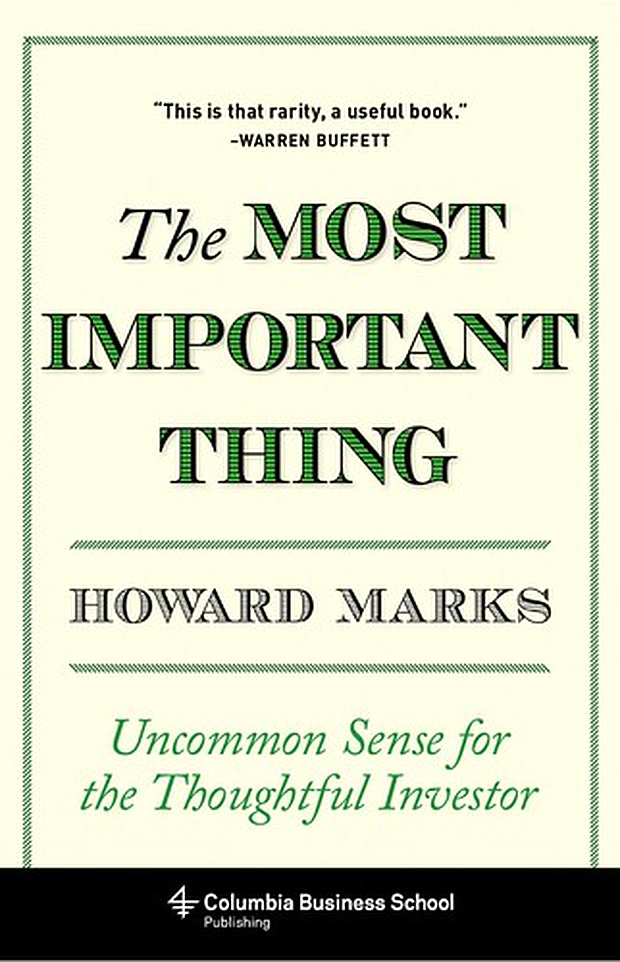
The Most Important Thing
Get on Amazon →
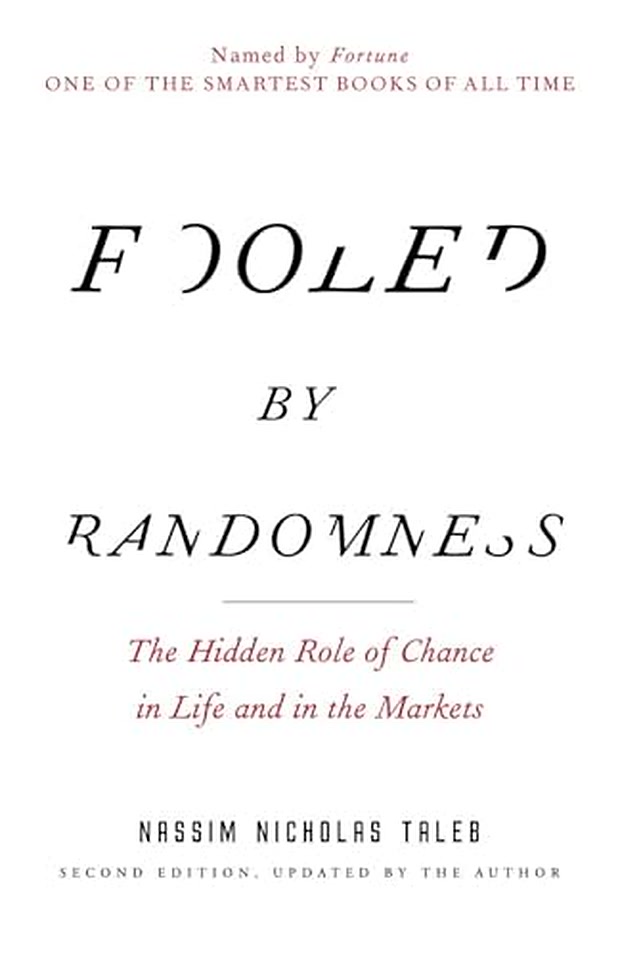
Fooled by Randomness
Get on Amazon →
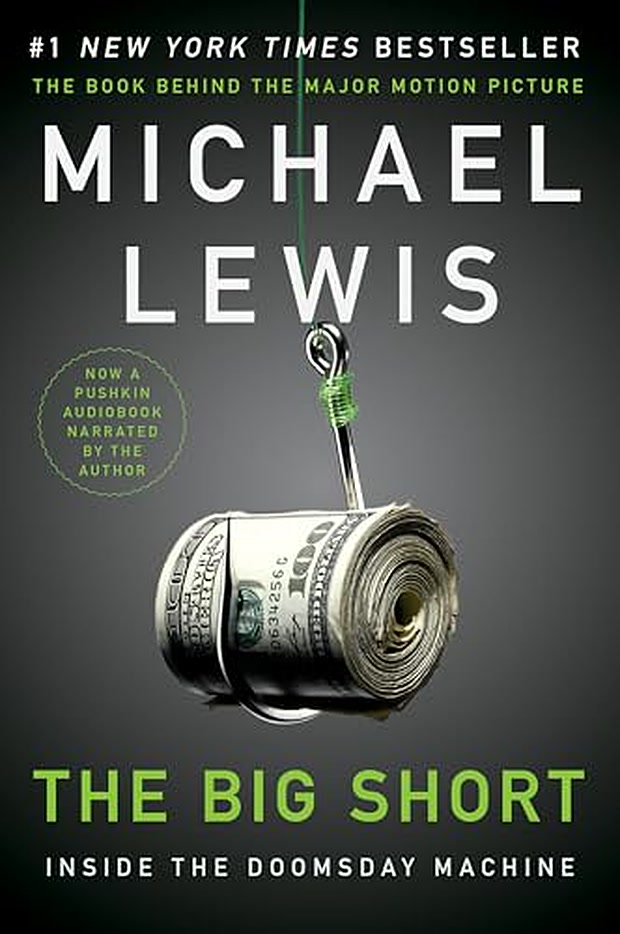
The Big Short
Get on Amazon →
As an Amazon Associate I earn from qualifying purchases.